My bolt does not land where the dot is
Crossbow scopes, matched to your bolt speed
A crossbow scope's aim points are only correct if the reticle is calibrated for your bow's speed. Every scope here is listed with its published fps range first.
String & Stock earns a commission when you buy through our links, at no extra cost to you. Prices come from Amazon and change; the date beside every price is when we last verified it. Full disclosure.
Ranked
Top picks in scopes
Ranked on our published rubric, using the maker's own specifications. Prices are live and dated; where no live price resolves, the cell reads Check price.
| # | Product | Speed range | Score | Price |
|---|---|---|---|---|
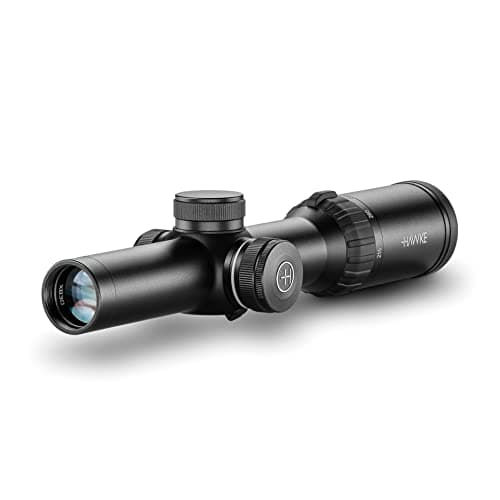
| Rank 1 | Hawke XB30 Pro SR 1-5x24 | 215-450 fps | 8.9 | $173.98Amazon |
| Rank 2 | 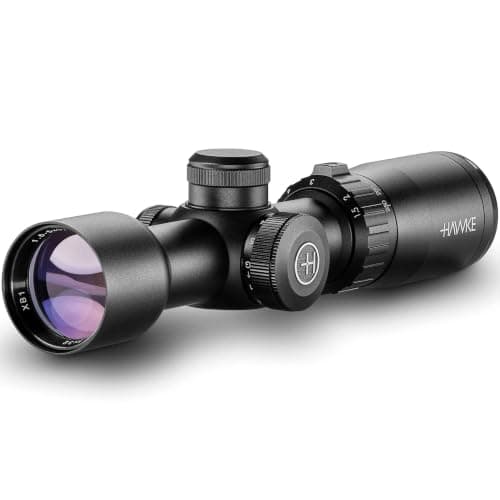 Hawke XB1 SR 1.5-5x32 | 250-425 fps | 8.7 | $159.99Amazon |
| Rank 3 | 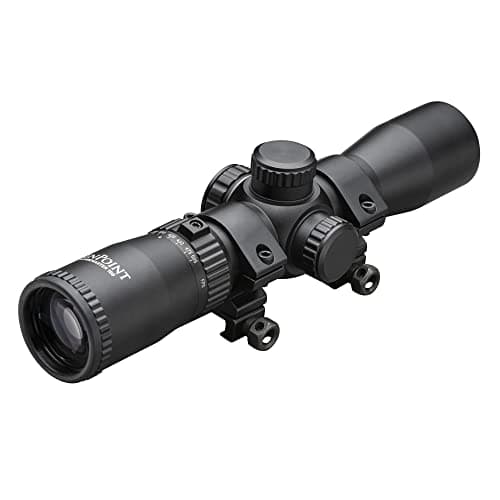 TenPoint RangeMaster 100 | 380-505 fps | 8.8 | $299.99Amazon |
| Rank 4 | 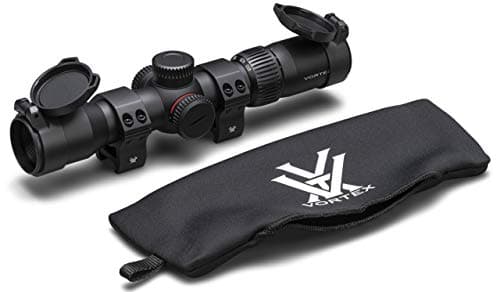 Vortex Crossfire II 2-7x32 Crossbow Kit | 8.6 | $199.00Amazon | |
| Rank 5 | 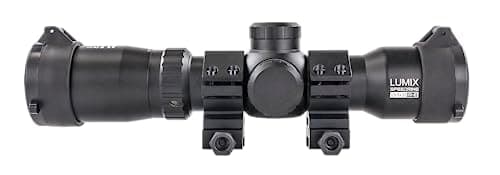 Killer Instinct Lumix Speedring 1.5-5x32 | 270-450 fps | 8.2 | $94.99Amazon |
The one specification that matters most, and almost nobody checks
A crossbow scope's stacked aim points are calculated for a specific bolt speed. If your bow shoots 430 fps and the scope is calibrated for 350, the 40-yard mark is wrong and no amount of zeroing fixes it. Check the scope's published fps range against your bow before anything else.
A rifle scope has one crosshair and you dial or hold for distance. A crossbow scope does something different: it stacks multiple aim points — dots, crosshairs, or a chevron ladder — at pre-calculated drops. Those drops are computed from an assumed bolt velocity. Change the velocity and the whole ladder shifts.
This is why most crossbow scopes carry a speed dial or speed ring: a collar you set to your bow's fps, which rotates the optical system so the aim points land where they should. Scopes without one are calibrated to a single assumed speed, which may or may not be yours.
Speed ranges on this site, side by side
| Scope | Published fps range | Covers |
|---|---|---|
| Hawke XB30 Pro | 215-450 | Every bow here except the R470 |
| TenPoint RangeMaster 100 | 380-505 | Fast bows only — the only range that covers 470 fps |
| CVLIFE 1.5-5x32 | 300-460 | Most of the site, at a budget price |
| Killer Instinct Lumix | 270-450 | Nearly everything |
| Hawke XB1 | 250-425 | Mid-range bows |
| Excalibur Dead Zone | 300-410 | Mid-range bows |
| CVLIFE 4x32 | 250-350 | Slow bows and recurves only |
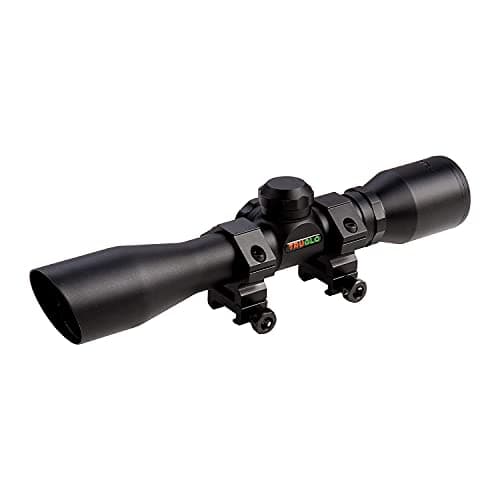
| TRUGLO 4x32 | No dial | One assumed velocity |
Read that table before you read any review, including ours. If you own a 430 fps bow, half the scopes on the market are not candidates.
Reticle types, and which suits which shooter
- Stacked dots. The most common. Each dot is a distance. Fast to use, but a dot at 50 yards can cover the spot you are aiming at.
- Crosshair ladder. Thin horizontal lines instead of dots. Precise, and harder to see in low light unless illuminated.
- Mixed. TenPoint's RangeMaster uses dots at 20/30/40 and crosshairs at 50/60/70 — dots where speed matters, lines where precision does.
- Chevron. Excalibur's approach: an upward point rather than a dot, so nothing obscures the aiming spot. Some shooters find it much faster.
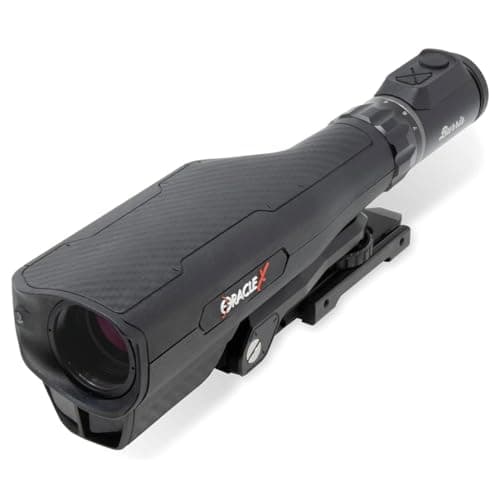
- Electronic. Burris Oracle X and Garmin Xero X1i range the target and light a single correct aim point. The best solution and the most expensive, and not legal for hunting in every state.
Illumination, and why it is not optional
Legal shooting light at both ends of the day is when deer move. A black reticle against a dark deer in low light disappears. Nearly every scope here illuminates red, green, or both, with either stepped or stepless brightness control. Stepless is better: in genuine low light, the lowest fixed step is often still too bright and blooms over the target.
Eye relief, because a crossbow recoils forward
A crossbow does not kick back into your shoulder — the limbs snap forward, which moves the whole bow away from you. That makes scope bite less likely than on a rifle, but mounting position still matters, and generous eye relief gives you a bigger eye box to find quickly from an awkward blind-chair position. TRUGLO publishes 4 in, which is the most generous figure here. Most makers do not publish it at all.
What a scope will not fix
A scope compensates for a known drop at a known distance. It cannot compensate for an unknown distance, which is why misjudged range is the most common cause of a missed crossbow shot past 30 yards. Two fixes exist: a rangefinder in your pocket, or a rangefinding scope. The rangefinding scope roundup covers the second, and it also covers the legal restrictions, which are real.
It also cannot fix a bow that is not zeroed. How to sight in a crossbow is the procedure, and it takes about a dozen bolts.
What this section contains
Four roundups — overall, under two hundred dollars, rangefinding, and low light — plus four guides covering the sight-in procedure, speed rings, reticle types and mounting. Every scope is listed with its published fps range as the first specification, because that is the one that disqualifies a scope outright.
Every page in this section
Scopes
8 pages in this section. Roundup tiles carry the live price and a buy link for their top pick.
Frequently asked questions
Do I need a crossbow-specific scope?
Yes, if you want calibrated holdovers. A crossbow bolt drops far more steeply than a rifle bullet, so crossbow scopes stack aim points at pre-calculated distances and provide a speed dial to match them to your bow. A rifle scope on a crossbow gives you one crosshair and a lot of guessing past 20 yards.
What does the speed dial on a crossbow scope do?
It rotates the optical system so the stacked aim points correspond to your bow's actual bolt velocity. Set it to your bow's published fps, zero at 20 yards, and the 30, 40 and 50-yard marks should land close. Without a speed dial the aim points are calculated for one assumed velocity that may not be yours.
Are rangefinding crossbow scopes legal?
It depends on your state. Several states regulate or prohibit electronic sighting devices for hunting, and the manufacturers say so on their own listings. Check your state wildlife agency's current regulations before buying — these are expensive items to discover you cannot hunt with.
What magnification do I need on a crossbow scope?
Less than you think. Most crossbow shots are inside 40 yards, where 1.5x to 4x is plenty and a wide field of view helps you find the animal fast. Higher magnification is useful if you practice at 70 to 100 yards or shoot from a fixed, supported position. A variable scope lets you have both.
Will a crossbow scope work on both of my bows?
Only if both bows fall inside the scope's published speed range, and even then you have to re-set the speed dial and re-verify zero every time you swap. The Hawke XB30 Pro's 215 to 450 fps span is the widest here, which makes it the most portable between bows.