I need a bow I can actually cock and carry
Crossbows, sorted by what you can cock and carry
Every bow here is ranked on cocking effort first, then speed, noise and how wide it sits when drawn. Specifications are the maker's published figures, and prices are live.
String & Stock earns a commission when you buy through our links, at no extra cost to you. Prices come from Amazon and change; the date beside every price is when we last verified it. Full disclosure.
Ranked
Top picks in crossbows
Ranked on our published rubric, using the maker's own specifications. Prices are live and dated; where no live price resolves, the cell reads Check price.
| # | Product | Cocking effort | Score | Price |
|---|---|---|---|---|
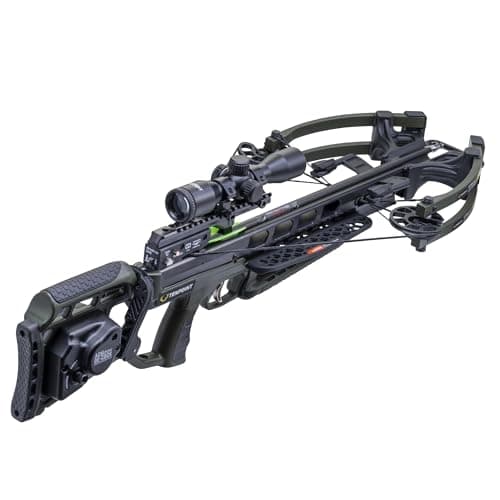
| Rank 1 | TenPoint Titan X De-Cock | 5 lb | 9.0 | $799.99Amazon |
| Rank 2 | 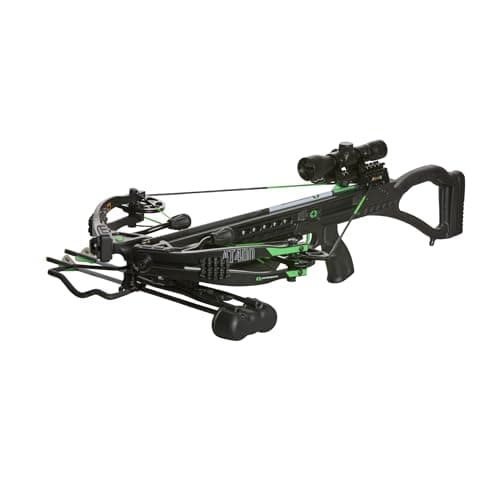 CenterPoint Wrath 430 | 8.9 | $749.99Amazon | |
| Rank 3 | 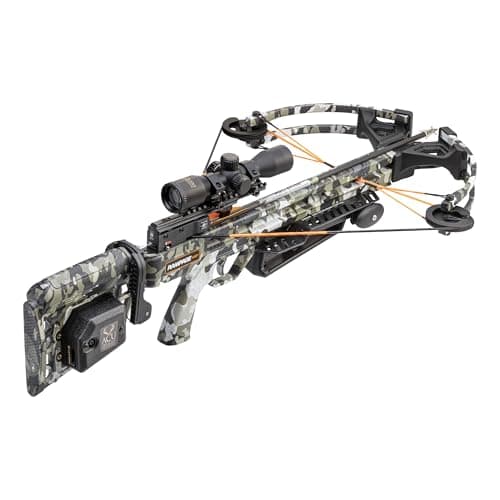 Wicked Ridge Rampage XS | 5 lb | 8.8 | $649.99Amazon |
| Rank 4 | 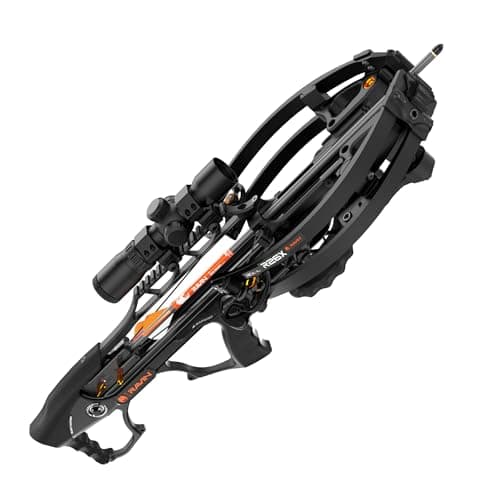 Ravin R26X | 8.7 | $1,999.99Amazon | |
| Rank 5 | 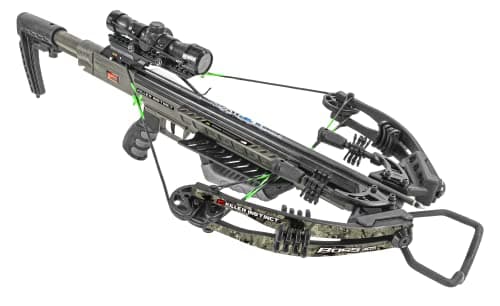 Killer Instinct Boss 405 | 8.1 | $299.99Amazon |
Four numbers decide this, and speed is not the first one
Most crossbow coverage leads with feet per second, because it is the number makers print largest. For the hunter who arrives here — adding a crossbow because of a shoulder, their age, or a season that just opened to them — speed is the third or fourth thing that matters. Cocking effort comes first. A 430 fps bow you cannot draw is worse than a 370 fps bow you can.
The four figures that actually decide a crossbow purchase, in the order they should decide it:
| Figure | What it tells you | Where it bites |
|---|---|---|
| Cocking effort | Pounds of force at the handle or rope after the aid does its work | A 220 lb bow with a rope cocker is still a 110 lb pull. A crank bow is 5-13 lb. |
| Cocked width | How wide the bow is when drawn | A ground blind window is often 12-16 in. A 15 in cocked bow will not swing in it. |
| Speed (fps) | Bolt velocity with the maker's own arrow | Above about 400 fps your target, nock and broadhead all have to be rated for it. |
| Carry weight | What hangs off your shoulder on the walk in | 6 lb versus 8.4 lb is the difference between a mile and a quarter mile. |
Start from your cocking situation, not from a price
If this is you, start here
- Shoulder injury or surgeryA bow with an integrated crank, not a rope. The cocking effort figure to look for is 5-13 lb. See the picks
- Over sixty, otherwise healthyAn integrated crank or a crank-compatible bow. Rope cockers halve the pull; a crank removes it. See the picks
- Hunting from a ground blindCocked width under about 10 in, and a bow short enough to swing. Measure your window first. See the picks
- First crossbow, no constraintsA complete package with a ranging scope and a cocking aid included. Do not buy à la carte. See the picks
- Switching from a compoundYou already shoot. The adjustment is weight, trigger and the fact that it stays cocked. See the picks
What a cocking aid actually changes
This is the single most useful thing to understand before you spend money, and almost nothing written about crossbows explains it properly. The draw weight printed on the bow is the force stored in the limbs. The force you apply depends entirely on the aid between you and the string.
- No aid. You pull the full draw weight. On a 185 lb bow that is 185 lb, two-handed, from a crouch. Almost nobody should do this.
- Rope cocker. Published reduction is consistently 50 percent across every brand. A 200 lb bow becomes a 100 lb pull — still a serious lift, but a two-handed one with the stirrup on the ground.
- Crank, aftermarket. Published reductions run from 70 percent (CenterPoint Power Draw) to 93 percent (Barnett's crank, which also publishes 13 lb at the handle).
- Crank, integrated. TenPoint publishes 5 lb of effort for ACUdraw and ACUslide. That is a figure a recovering shoulder can do seated.
So the real question is not which bow has the lowest draw weight. It is which bow comes with, or accepts, the aid you need. The cocking aids section covers the aids themselves, including which ones fit which bows.
Cocked width, and why most sites ignore it
Cocked width is the bow's span when it is drawn — the dimension that has to pass through a blind window or clear a stand rail. Makers publish it inconsistently and most review sites leave it out entirely, which is why we carry it as a column on every comparison table here.
The range on this site runs from 1.3 in (the Ravin R18's Verticoil cams) to 15 in (a conventional compound frame). A difference of that scale is not a detail. If you hunt from a pop-up blind, measure the window before you shop, then work from the width column.
Speed, honestly
Every bow on this site shoots fast enough to kill a deer inside 40 yards. The published figures range from 245 fps to 470 fps, and the practical consequences of that spread are mostly about what else you have to buy:
- Above 400 fps, your target needs a matching rating. Most bag targets stop at 425 fps. See targets rated for fast bows.
- Above 400 fps, mechanical broadheads need to be rated for crossbow speeds or the blades open in flight.
- Above 400 fps, bolt straightness and nock fit matter more, because small errors scale with velocity.
- Below about 300 fps, keep shots inside 30 yards and know your drop.
The full explanation, including how speed turns into kinetic energy and what that means for penetration, is in crossbow speed and FPS and kinetic energy.
How the pages in this section are organized
Fourteen roundups, sorted by the constraint they answer — budget, body, hunting situation, or the specification you care about. Five brand reviews covering the ranges you will see in a shop. Four head-to-head comparisons for the matchups people actually search. Every one of them uses the same rubric, scored the same way, and explained on our methodology page.
What you will not find: a claim that we put a season behind every bow here. We have not. Specifications on this site are the manufacturer's published figures, cited as such, and the scores are our own reading of those figures against the buyer this site is built for.
Every page in this section
Crossbows
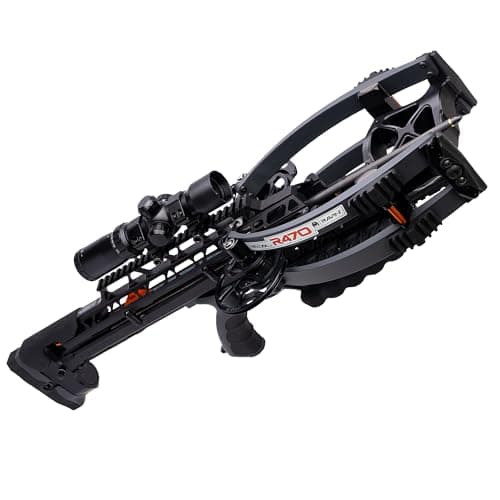
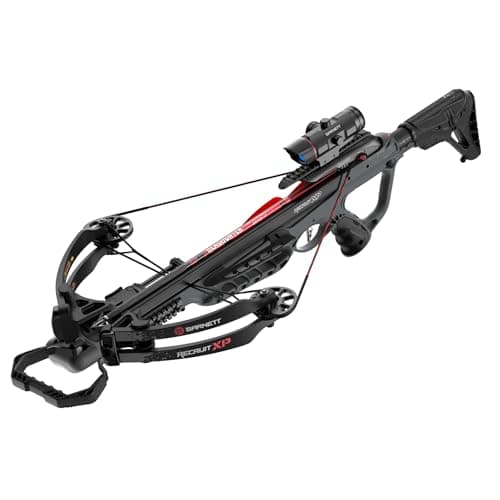
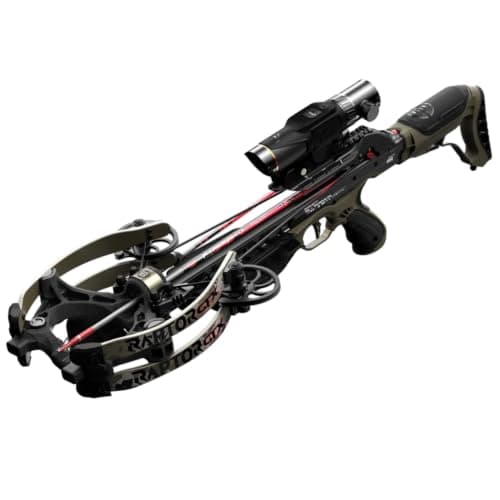
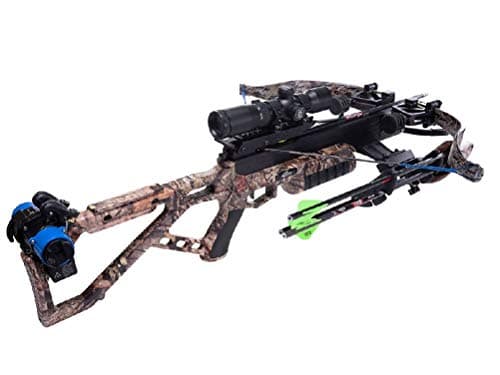
24 pages in this section. Roundup tiles carry the live price and a buy link for their top pick.
Frequently asked questions
What draw weight crossbow do I need for deer?
A crossbow's draw weight matters less than the kinetic energy it produces at the target. Most state minimums where they exist sit between 75 and 125 pounds, and every bow on this site exceeds that. A 175-pound recurve at 245 fps and a 185-pound compound at 400 fps are both adequate for deer inside their effective range — the compound simply has a longer one. See crossbow draw weight for the full explanation.
Is a crank cocking device worth it?
If cocking the bow is the reason you are shopping, yes, and it is not close. Published reductions run from 70 to 93 percent for aftermarket cranks, and integrated systems publish 5 pounds of effort against a 200-pound bow. A rope cocker, by comparison, consistently publishes a 50 percent reduction. See crank vs rope cocker.
How narrow does a crossbow need to be for a ground blind?
Measure your blind's shooting window, then subtract a couple of inches for the room you need to move. Pop-up blind windows are commonly 12 to 16 inches. A bow with a published cocked width of 10 inches or less will work in almost any blind; 15 inches will not work in many. See cocked width and ground blinds.
Do I need a 400 fps crossbow?
No. Speed buys you a flatter trajectory and a little more forgiveness on a misjudged range, not lethality you were missing. Above 400 fps you also take on constraints: a target rated for it, broadheads rated for it, and tighter tolerances on bolts and nocks. A 370 fps bow with a cocking aid you can operate beats a 450 fps bow you fight.
Can you leave a crossbow cocked all day?
Makers generally advise against leaving a bow cocked for extended periods, and the practical problem is how you unload it at the end of a sit. A bow with a de-cocking system — TenPoint's ACUdraw De-Cock and ACUslide, or Killer Instinct's DSC decocker — lets you backwind the string safely. Without one, unloading means firing a bolt into a target, which means carrying a discharge target.