Guides
Switching from a compound bow to a crossbow
Your woodsmanship transfers entirely. Your shooting form transfers hardly at all, and that is easier than it sounds.
String & Stock earns a commission when you buy through our links, at no extra cost to you. Prices come from Amazon and change; the date beside every price is when we last verified it. Full disclosure.
Ranked
Quick picks
| # | Product | Cocking effort | Score | Price |
|---|---|---|---|---|
| Rank 1 | TenPoint Titan X De-Cock | 5 lb | 9.0 | $799.99Amazon |
| Rank 2 | 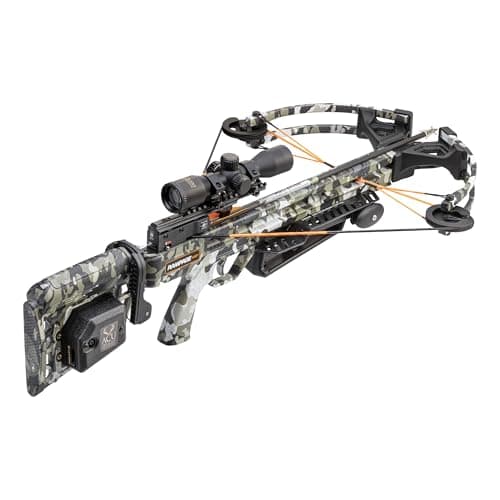 Wicked Ridge Rampage XS | 5 lb | 8.8 | $649.99Amazon |
| Rank 3 | 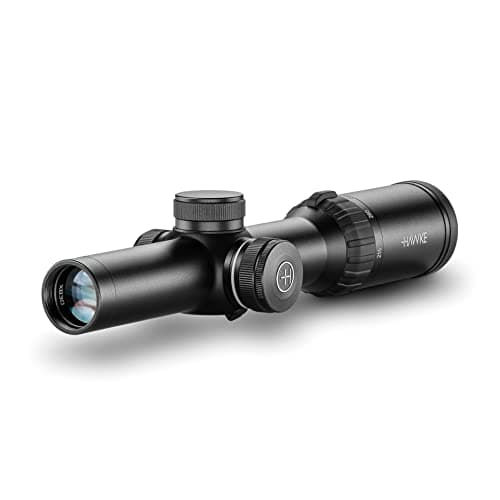 Hawke XB30 Pro SR 1-5x24 | 8.9 | $173.98Amazon | |
| Rank 4 | 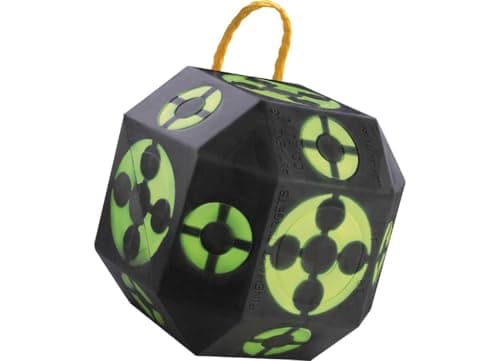 Rinehart 18-1 | 9.0 | $159.99Amazon | |
| Rank 5 | 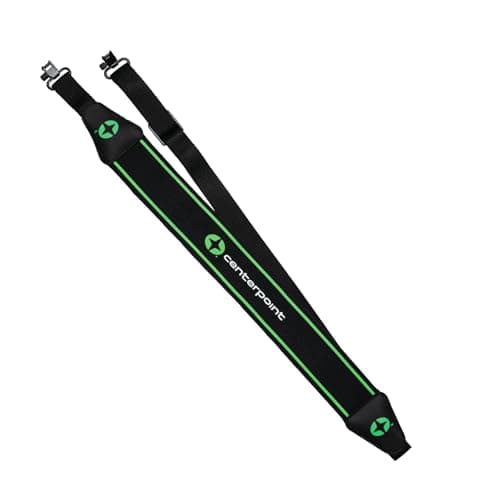 CenterPoint Padded Crossbow Shoulder Sling | 8.4 | $34.95Amazon |
Everything you know about reading deer, choosing stands, judging wind and picking shots transfers unchanged. Your draw-and-release form does not transfer at all, and does not need to — a crossbow is shot from a stock with a scope and a trigger. Budget for the cocking aid, a target rated for the bow's speed, and matched bolts.
Most people making this switch have a reason: a shoulder that has stopped cooperating, an age-based permit that has opened up, or a season their state has made available. The good news is that the hard part of bowhunting — the woodsmanship — is the part you keep.
What transfers
- Everything about hunting. Stand placement, wind, entry and exit routes, reading sign, patience.
- Shot selection. Knowing which angles to pass on is the same skill and it matters more, because you get one shot.
- Range estimation, and the habit of ranging landmarks on arrival.
- Broadhead discipline. Spin testing, confirming groups, replacing blades after a hit.
- Blood trailing and recovery.
What does not transfer
- Draw-and-anchor form. There is no draw and no anchor. You shoulder a stock.
- Release execution. A crossbow trigger is a rifle trigger, typically 3-3.5 lb on the bows here.
- Pin gaps. A crossbow scope stacks calibrated aim points and has a speed dial. See speed rings explained.
- Letting down. A compound lets down; a crossbow must be unloaded with a de-cocking system or a discharge bolt.
- Reload speed. You get one shot. Plan around it.
The four things that surprise compound shooters
1. The cocking stroke is the new draw, and it happens earlier
A compound's peak draw is executed at the worst possible moment, with the animal close. A crossbow's is executed on arrival, before anything is in front of you — which is better timing and, with a rope cocker, a bigger lift. A rope halves the draw weight: about 100 lb on a 200 lb bow. An integrated crank publishes 5 lb.
If the shoulder is why you are switching, do not accept a rope cocker. See crank vs rope cocker.
2. It is heavy, and it is wide
A compound is 3-5 lb. The bows here are 6-8.4 lb before the scope and a loaded quiver. And width is a constraint a compound never had: 6-18 in uncocked, which decides whether the bow works in your blind. See cocked width and ground blinds.
3. You have to unload it
The one that genuinely catches people out. At the end of a sit the bow is still cocked, and a cocked crossbow has to be unloaded. With a de-cocking system you backwind; without one you fire a bolt into a target you carried in. Decide which before you buy. See how to de-cock a crossbow.
4. It is louder
More stored energy, more left over to dissipate after the shot. A deer inside 25 yards can react. String silencers publish up to 90 percent reduction of string noise for about ten dollars and are the first thing to buy. See crossbow noise.
In detail
The setup we would buy for a switch
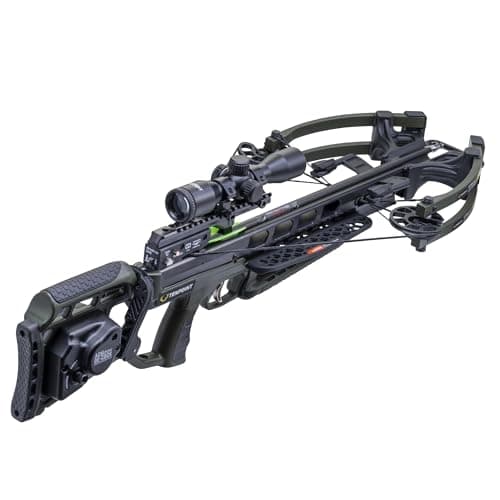
TenPoint Titan X De-Cock
The de-cocking version of TenPoint's best-selling bow, and the most complete answer on this site to the question that brings most people here. The integrated ACUdraw De-Cock drops cocking effort to 5 pounds, and it backwinds, so you can unload the bow at the end of a sit without firing a bolt into the dirt. 400 fps and a 9.75-inch front end are the supporting cast.
| Published spec | Value |
|---|---|
| Speed | 400 fps |
| Cocking effort | 5 lb |
| Cocked width | 9.75 in |
| Cocking aid | ACUdraw De-Cock, integrated |
| De-cocks | Yes, backwind the handle |
| Trigger pull | 3.5 lb |
| Included | Pro-View 400 lighted scope, three Pro Elite 400 arrows, quiver, bow hanger |
What it does well
- 5 lb of cocking effort is the lowest figure any bow on this site publishes
- Safe de-cocking: the Auto-Brake gear system holds the handle wherever you let go
- A 9.75-inch front end clears blind windows and stand rails
- Ships assembled and pre-sighted, so first setup is a scope zero and nothing else
Where it falls short
Our rubric
- 9.6
- 8.4
- 8.5
- 9.0
- 7.8
- 8.6
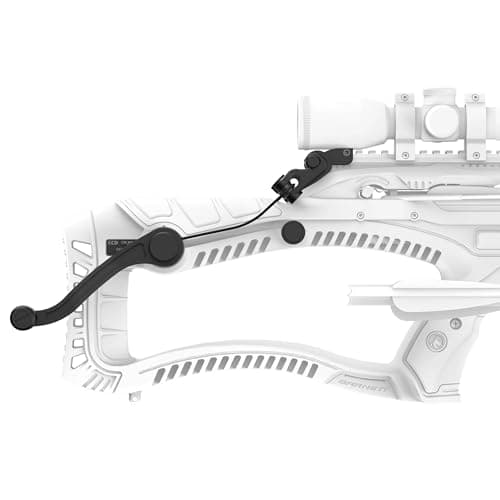
Wicked Ridge Rampage XS
An ACUdraw crank built into a 31.5-inch bow that shoots 390 fps, from TenPoint's value brand and made in America. This is the cheapest bow on the site with an integrated 5-pound crank, which makes it the default recommendation when your shoulder, not your budget, is the limiting factor.
| Published spec | Value |
|---|---|
| Speed | 390 fps |
| Cocking effort | 5 lb |
| Overall length | 31.5 in |
| Cocking aid | ACUdraw crank, integrated |
| Trigger pull | 3.5 lb |
| Scope | Lighted 3x Pro-View, 20/30/40/50 yd |
| Included | Three Match 400 carbon Alpha-Nock arrows, quiver |
What it does well
- 5 lb cocking effort from a built-in crank at an entry-level price
- 31.5 inches overall is short enough to swing inside a blind
- Made in the United States at a price point where that is unusual
- Safety wings and an enclosed trigger guard keep fingers below the flight deck
Where it falls short
Our rubric
- 9.4
- 7.8
- 8.0
- 8.8
- 8.6
- 9.4
Hawke XB30 Pro SR 1-5x24
A speed-selector power ring covering 215 to 450 fps, which is the broadest span any scope on this site publishes. Dial your bow's speed and the reticle's aim points line up with your trajectory. 16-layer multi-coated glass in a 30 mm mono-tube does the rest. If you own more than one bow, or expect to change bows, this is the scope that follows you.
| Published spec | Value |
|---|---|
| Speed range | 215-450 fps |
| Magnification | 1-5x |
| Objective | 24 mm |
| Tube | 30 mm |
| Reticle | Illuminated SR, stepless rheostat |
| Glass | 16-layer fully multi-coated |
| Weatherproofing | Nitrogen purged, waterproof, fog proof |
What it does well
- 215-450 fps covers every bow on this site, from the SAS recurve to the R470
- Stepless illumination rheostat rather than fixed brightness steps
- 30 mm mono-tube passes more light than a 1-inch body
- Metal screw-in lens covers rather than rubber flip caps
Where it falls short
Our rubric
- 9.8
- 8.8
- 8.6
- 8.6
- 8.4
Rinehart 18-1
Eighteen shootable faces of self-healing foam, broadhead capable, rated to 500 fps and explicitly crossbow approved. This is the one target on the site that handles the two hardest things at once: a 470 fps bolt and a fixed broadhead. 15 inches a side and light enough to carry by the handle.
| Published spec | Value |
|---|---|
| Speed rating | Up to 500 fps |
| Faces | 18 |
| Dimensions | 15 x 15 x 15 in |
| Broadhead capable | Yes |
| Foam | Signature series self-healing |
| Crossbow approved | Yes |
| Carry | Easy-carry handle |
What it does well
- 500 fps and broadhead capable together, which is rare
- Eighteen faces means you rotate rather than shooting out one spot
- Self-healing foam closes the hole behind the arrow
- Light with a carry handle
Where it falls short
Our rubric
- 9.4
- 8.6
- 9.0
- 9.4
- 8.0
CenterPoint Padded Crossbow Shoulder Sling
A 5-inch-wide padded sling with a non-slip shoulder surface and quick-detach swivels, for any CenterPoint bow. Five inches of padding is the figure that matters: a narrow strap on a 7-pound crossbow cuts into your shoulder inside a mile.
| Published spec | Value |
|---|---|
| Pad width | 5 in |
| Surface | Non-slip |
| Attachment | Quick-detach swivels |
| Fits | All CenterPoint crossbows |
| Carry | Hands-free |
What it does well
- Five inches of padding spreads the load properly
- Quick-detach so it comes off at the stand
- A non-slip surface that stays on your shoulder
Where it falls short
Our rubric
- 8.6
- 8.2
- 9.0
- 7.8
What to buy, in order
- The cocking aid, or a bow with one built in. If the shoulder is the reason you are here, this is the product and the bow is secondary. A 5 lb integrated crank is the answer.
- A bow whose cocked width fits where you hunt. Measure the blind window first.
- A target rated at or above the bow's published speed. Most bag targets stop at 425 fps.
- A dozen matched bolts. One weight, one nock type, verified zero. See best crossbow bolts.
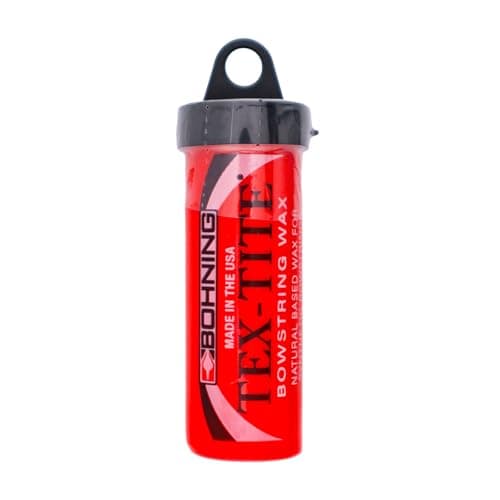
- String wax and rail lube. Under forty dollars, and they prevent the failures that matter.
- A padded sling or a backpack-strap case, because the weight is new.
Your first session
Set the scope's speed dial to the bow's published fps, zero at 20 yards from a rest, verify at 40, then shoot three broadheads into a broadhead-capable target to confirm they group with your field points. A dozen to eighteen bolts, one afternoon. See how to sight in a crossbow.
Then sit in your blind chair, in the coat you hunt in, and swing the bow through the window. That five-minute test tells you what no specification can.
The habits to unlearn
- Fingers. On a compound your bow hand is nowhere near the string. On a crossbow it wants to curl exactly into the string's path. Below the flight deck, every shot.
- Dry firing. A compound shooter who releases without an arrow has made a mistake. A crossbow shooter who does it may destroy the bow.
- Second shots. Stop planning for them.
- Holding at draw. You do not need to wait for the animal to turn before cocking. Cock on arrival.