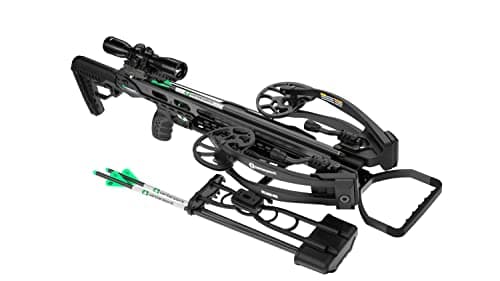
I need the numbers explained before I spend money
Crossbow specs and setup, explained in plain terms
Draw weight, speed, kinetic energy, noise, cocked width, range and the rules — what each number means, what it costs you, and which one should decide your purchase.
String & Stock earns a commission when you buy through our links, at no extra cost to you. Prices come from Amazon and change; the date beside every price is when we last verified it. Full disclosure.
Ranked
Top picks in guides
Ranked on our published rubric, using the maker's own specifications. Prices are live and dated; where no live price resolves, the cell reads Check price.
| # | Product | Rubric score | Score | Price |
|---|---|---|---|---|
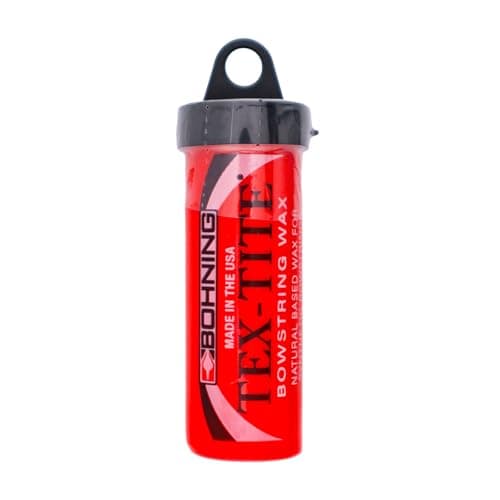
| Rank 1 | Bohning Tex-Tite Bowstring Wax | 9.2 | $12.59Amazon | |
| Rank 2 | 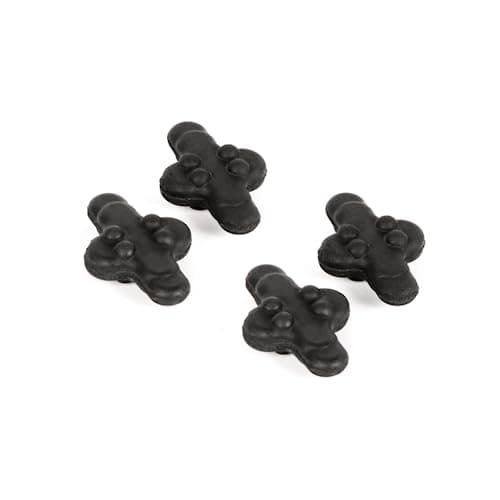 LimbSaver String Silencers (4-pack) | 8.8 | $10.99Amazon | |
| Rank 3 | 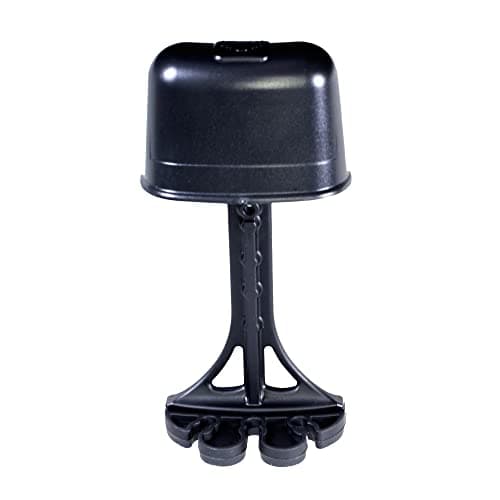 TenPoint 3-Arrow Instant Detach Quiver | 8.4 | $49.99Amazon | |
| Rank 4 | 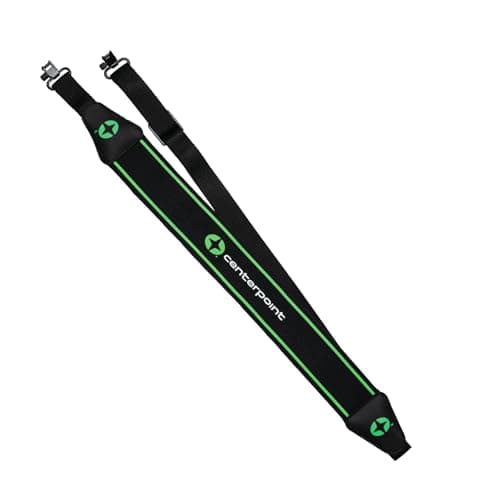 CenterPoint Padded Crossbow Shoulder Sling | 8.4 | $34.95Amazon | |
| Rank 5 |  Scorpion Venom Crossbow Rail Lube | 8.4 | $14.99Amazon |
The decision framework no competitor publishes
Crossbow specifications are usually explained one at a time, as if each were independent. They are not. Draw weight, speed, kinetic energy, noise and cocked width trade against each other, and the trade is where the actual buying decision lives. This section explains each number and then explains what it costs you.
| Push this up | You get | You pay in |
|---|---|---|
| Draw weight | More stored energy, more speed | Cocking effort — directly and steeply |
| Speed (fps) | Flatter trajectory, more forgiveness on range | Noise, and a target and broadhead rated for it |
| Arrow weight | More kinetic energy, more penetration, less noise | Speed, and a steeper drop past 40 yards |
| Narrower cocked width | Blind and stand access | Usually money, sometimes a harsher draw cycle |
| Lower carry weight | A longer walk in | Steadiness at the shot |
Start with the one constraint you cannot engineer around
Everything on this list is adjustable except your body. If you can cock 100 lb with a rope and no pain, almost every bow on this site is available to you. If you cannot, the cocking aid determines the bow, and the bow determines everything downstream. That is the order we write in.
Pick the guide that matches your question
- How heavy is heavy enough?Draw weight, state minimums, and why the number on the limb is not the number you pull. See the picks
- Do I need 400 fps?What speed buys, what it costs, and the point where it starts constraining your other gear. See the picks
- Will it be quiet enough?Where crossbow noise comes from, and the cheap fixes that work. See the picks
- Is it enough for deer?Kinetic energy, how to calculate yours, and the figures that actually matter. See the picks
- How far can I shoot?Maximum range against effective range, and why they are not close. See the picks
- Will it fit my blind?Cocked width, how to measure your window, and what the figures mean. See the picks
- Can I hunt with it here?How to read your state's crossbow rules and the four categories they fall into. See the picks
What this section does not do
It does not claim measurements we did not take. Every figure in these guides is either arithmetic you can check, a manufacturer's published specification with the source named, or a reference to a wildlife agency's own published rules. Where a number is genuinely contested — effective range is the clearest case — the guide says so and gives you the reasoning rather than a false precision.
It also does not tell you that the fastest bow is the best bow. The whole premise of this site is that the fastest bow is frequently the wrong bow, and that the right one is the one whose cocking effort, width and weight match the person using it.
Maintenance, which is shorter than you expect
A crossbow needs three routine jobs: wax the string and cables, lube the rail, and check the bolts and limb hardware for tightness. That is most of it. The consumables cost under forty dollars together and they prevent the two failures that matter — a frayed string letting go under load, and a dry rail wearing the serving through.
The schedule and the method are in crossbow maintenance; the string-life question is in string replacement; and the specific products are in string wax and rail lube.
What this section contains
Seventeen pages: seven specification guides, a crossbow-against-compound comparison, the ground-blind width guide, the switching guide for compound shooters, three maintenance guides, safety, the regulations framework, an accessories checklist with picks, and a first-setup checklist. Every one of them links out to the commercial pages that act on the advice, because advice with no path to a decision strands the reader.
Every page in this section
Guides
19 pages in this section. Roundup tiles carry the live price and a buy link for their top pick.
Frequently asked questions
What crossbow spec should I prioritize?
Cocking effort, if cocking is a problem for you. Cocked width, if you hunt from a ground blind. After those two, speed and weight, in whichever order matches how far you walk and how far you shoot. Speed is the number makers print largest and the one that should decide least.
How much kinetic energy do I need for deer?
Commonly cited guidance puts whitetail deer around 25 foot-pounds and larger game higher, and every bow on this site exceeds that comfortably — the published figures here run from 134 to 152 foot-pounds. Kinetic energy is rarely the limiting factor on a crossbow; shot placement and broadhead performance are. See crossbow kinetic energy.
How often should I replace a crossbow string?
Makers typically advise replacement based on shot count and visible wear rather than calendar time, and the two things that shorten string life are a dry string and a dry rail. Wax the string regularly, lube the rail, and inspect the center serving for fraying before every hunt. See string replacement.
Are crossbows legal during archery season?
It depends entirely on your state, and the rules change. States fall into roughly four groups: crossbows allowed in all archery seasons, allowed with restrictions such as a disability permit or a limited window, allowed only in firearms seasons, and a small number with other arrangements. Check your state wildlife agency's current regulations each year. See crossbow hunting regulations.
Is a crossbow easier than a compound bow?
Easier to shoot accurately with little practice, yes — it holds itself cocked and has a rifle-style trigger and scope. Harder in other ways: it is heavier, noisier, slower to reload, and it needs to be unloaded at the end of a sit. See crossbows vs compound bows.