Compound vs recurve
Compound vs recurve crossbow
This is not a speed argument. It is a question about what happens when something breaks a long way from a bow shop, and about how wide the bow is when it is drawn.
String & Stock earns a commission when you buy through our links, at no extra cost to you. Prices come from Amazon and change; the date beside every price is when we last verified it. Full disclosure.
Ranked
Quick picks
| # | Product | Speed | Score | Price |
|---|---|---|---|---|
| Rank 1 | Excalibur Micro 360 Pro TD | 7.4 | $1,399.00Amazon | |
| Rank 2 | 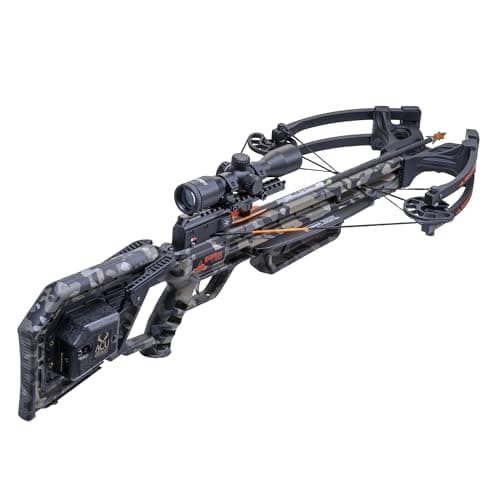 Wicked Ridge Commander 400 | 400 fps | 8.7 | $599.99Amazon |
| Rank 3 | 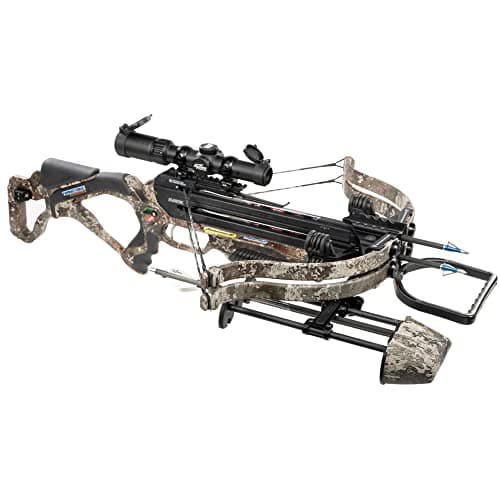 Excalibur TwinStrike | 7.2 | $979.99Amazon | |
| Rank 4 | 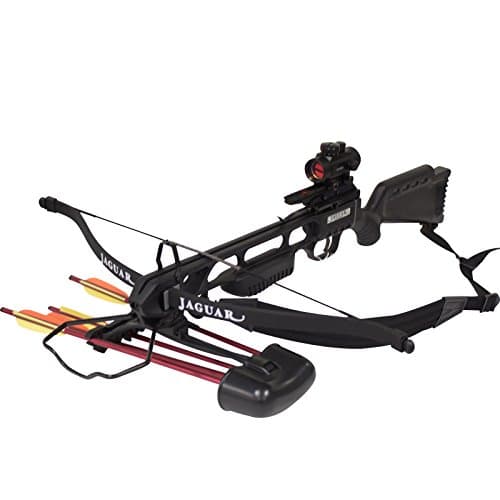 SAS Jaguar 175 lb Recurve | 245 fps | 6.8 | $169.99Amazon |
Buy a compound crossbow if you want the most speed and the narrowest cocked width for the money, which is most hunters most of the time. Buy a recurve crossbow if you want a bow with no cams or cables to fail, a string you can change in the field with a stringing aid, and a design that will still be serviceable in fifteen years. Compounds are faster and narrower; recurves are simpler and tougher.
Almost every crossbow sold today is a compound: two cams, a cable system, a short power stroke, high speed and a narrow cocked width. The recurve crossbow is the older design - two simple limbs and one string, no cams and no cables - and it survives because the things it does better are things that matter when you are a long way from help. Excalibur is the brand that kept it alive, and it is the reason this comparison is still worth having rather than a historical footnote.
Note what this page is not. It is not crossbow vs recurve and longbow, which compares a crossbow to a vertical bow you hold at full draw. Both of the bows on this page are crossbows, and the question is which limb-and-cam system is under the rail.
The honest comparison table
| Compound crossbow | Recurve crossbow | |
|---|---|---|
| Limb system | Two cams and a cable system | Two limbs and one string |
| Typical published speed | 390-470 fps on this site | 245-305 fps on the recurves we list |
| Cocked width | Commonly 6-11 in | Wider, often 20 in or more uncocked |
| String change | Press or a shop, in most cases | In the field with a stringing aid |
| Parts that can fail | Cams, cables, serving, cam lean | The string, and the limbs |
| Noise | More moving mass, more to dampen | Fewer moving parts, a different sound signature |
| Take-down | Rare | Standard on Excalibur's Micro TD line |
| Price for a given speed | Lower | Higher |
In detail
Two from each camp
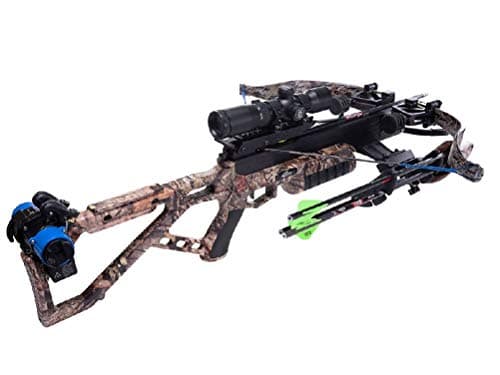
Excalibur Micro 360 Pro TD
Excalibur builds recurve crossbows almost exclusively, and the Micro series is the compact end of that line. TD means take-down: the limb assembly comes off without tools, which is why it travels well. The Amazon listing publishes no specifications, so the figures below stay empty rather than guessed.
| Published spec | Value |
|---|---|
| Design | Recurve, take-down |
| Speed | |
| Draw weight | |
| Cocked width | |
| Weight | |
| Cocking aid |
What it does well
- A take-down limb assembly packs smaller than any compound here
- Recurve architecture means no cams or cables to serve
- String replacement is a field job rather than a press job
Where it falls short
Our rubric
- 6.4
- 8.0
- 7.4
- 6.0
- 8.0
- 6.6
Wicked Ridge Commander 400
An American-built 400 fps bow with the ACUdraw crank built into the stock, which TenPoint rates at 5 pounds of effort against a 190-pound draw weight. Both widths are published, which is more than most bows at this price manage, and 11 inches cocked clears most blind windows. The 7.3-pound carry weight is the price you pay for the crank being part of the bow.
| Published spec | Value |
|---|---|
| Speed | 400 fps |
| Kinetic energy | 146 ft-lb (410 gr arrow) |
| Cocking effort | 5 lb |
| Cocked width | 11 in |
| Uncocked width | 14.5 in |
| Weight | 7.3 lb |
| Draw weight | 190 lb |
| Power stroke | 12.5 in |
| Overall length | 35.75 in |
| Cocking aid | ACUdraw crank, built in |
| De-cocks | |
| Included | Pro-View 400 lighted scope, three Match 400 carbon arrows, quiver |
| Built | Mogadore, Ohio |
What it does well
- 5 lb of cocking effort from a crank that is already on the bow
- 11 in cocked is narrow enough for a pop-up blind window
- 146 ft-lb published with the included 410-grain arrow
- Assembled and pre-sighted in Ohio, with a limited lifetime operational warranty
Where it falls short
Our rubric
- 9.4
- 8.4
- 8.0
- 8.4
- 7.2
- 9.0
Excalibur TwinStrike
The TwinStrike is Excalibur's double-bolt platform: two limb sets, two strings, two triggers, so a follow-up shot does not require re-cocking. It is a genuinely unusual answer to the crossbow's biggest weakness. The listing publishes no performance figures, so none appear below.
| Published spec | Value |
|---|---|
| Design | Recurve, dual-limb double shot |
| Follow-up shot | Second bolt without re-cocking |
| Speed | |
| Draw weight | |
| Cocked width | |
| Weight |
What it does well
- A second shot with no re-cocking, which no other bow here offers
- Recurve limbs, so no cam service
- Compatible with Excalibur's Charger EXT crank
Where it falls short
Our rubric
- 6.0
- 8.0
- 7.2
- 5.8
- 6.4
- 7.2
SAS Jaguar 175 lb Recurve
175-pound draw, 245 fps, fiberglass limbs and a red dot. A recurve crossbow has no cams or cables to serve, which is a genuine maintenance advantage, and 245 fps is honest about what it is: a close-range bow for a shooter who wants simple.
| Published spec | Value |
|---|---|
| Draw weight | 175 lb |
| Speed | 245 fps |
| Limb | Compression-molded fiberglass |
| Design | Recurve |
| Safety | Auto safety cocking mechanism |
| Sight | Red dot, included |
| Stock | Reinforced composite |
What it does well
- No cams or cables to serve or replace
- 175 pounds is a lower draw than most compound bows here
- Cheapest complete bow on the site
Where it falls short
Our rubric
- 7.0
- 4.8
- 6.4
- 5.8
- 7.6
- 8.6
What a compound crossbow buys you
Speed and width, mostly, and they come from the same place. Cams let a short power stroke store a great deal of energy, which is why a compound can be 400 fps from a bow that is 11 in wide cocked where a recurve of similar draw weight is slower and considerably wider. If you hunt from a pop-up blind, that width difference is not a preference - it can disqualify the bow outright. See cocked width and ground blinds for how to measure your own window, and best compact crossbows for the narrow end of the compound range.
The second thing compounds buy is choice. Nearly every bow on this site is a compound, which means more models at every price, more integrated cocking systems, more de-cocking options and more accessories that fit. The best crossbow cocking devices roundup is almost entirely compound-oriented for exactly that reason.
What a recurve crossbow buys you
Serviceability, and the absence of a failure mode. A recurve has no cams to lean, no cables to stretch unevenly and no synchronization to lose. A string change is something you do yourself at camp with a stringing aid rather than something that requires a press. Excalibur's Micro 360 Pro TD takes down without tools, which means it fits in a pack and goes on a plane in a way almost no compound does.
There is a maintenance argument too. On a compound, cable and cam wear is cumulative and hard to see; on a recurve, the string is the wear item and you can look at it. Our crossbow string replacement page covers how often either type needs attention, and crossbow maintenance covers what the two designs ask of you week to week.
Who should buy which
Pick the sentence that sounds most like your season.
- I hunt from a pop-up blindA compound, on width alone. Check the published cocked-width figure against your window See the picks
- I want the most speed per dollarA compound. The whole price range is compound, and the fast end is all compound See the picks
- I hunt remote, or fly to huntsA take-down recurve. Field-serviceable, packable, no press required
- I want the fewest things that can breakA recurve. One string, two limbs, nothing to synchronize
- Cocking is my limiting factorEither, with the right crank. This is a cocking-aid decision, not a limb decision See the picks
The four picks, and what each is for
Excalibur Micro 360 Pro TD
The recurve case at its strongest: a take-down bow from the brand that has kept the design competitive. Excalibur does not publish a speed, draw weight or cocked width figure in the listing data we work from, which we would rather tell you than fill in - the reason to buy it is the take-down and the field-serviceable string, not a number. It pairs with the Excalibur Charger EXT crank and Excalibur's own rope aid, both of which load and unload the bow.
Wicked Ridge Commander 400
The compound case at its most sensible: 400 fps, 146 ft-lb with a 410 gr arrow, 11 in cocked, 7.3 lb, an ACUdraw crank built in at 5 lb of effort, and it is built in Mogadore, Ohio. This is what the compound geometry buys - that much energy and that narrow a front end at a price a recurve cannot reach.
Excalibur TwinStrike
The recurve design doing something no compound does: two limb sets, two bolts, and a second shot without re-cocking. It is a specialist tool and priced like one, and Excalibur publishes very little specification data for it, but if the follow-up shot is the thing you want it is genuinely the only answer here.
SAS Jaguar 175 lb Recurve
The cheap way to find out whether you like the design. 175 lb of draw weight, 245 fps, a red dot included, and a compression-molded fiberglass limb. It is not a bow we would take elk hunting - see best crossbow for elk hunting for that - but it is a real recurve crossbow at a price that makes the experiment cheap.
Our view
For most hunters buying one crossbow for deer-sized game from a blind or a stand, a compound is the right answer, and it is not close: the width figure alone settles it, and the speed and price advantages are real. The recurve is the right answer for a narrower set of people - those who hunt remote country, fly to hunts, want a bow they can string themselves, or simply prefer owning a machine with nothing in it to synchronize. Neither choice is a mistake; buying a recurve because you read that recurves are quieter, or a compound because you read that 450 fps matters, both are.
What does not decide this
- Accuracy. Both designs shoot far better than almost anyone shoots them. See crossbow accuracy at 50 yards.
- Noise. The sound signatures differ, but dampening is an accessory decision on either design. Crossbow noise covers the cheap fixes.
- Draw weight on its own. A 175 lb recurve and a 190 lb compound are not comparable figures, because the power stroke and the cam system change what that weight does.
- Which one is traditional. Both are crossbows. If you want the traditional-archery argument, that is crossbow vs recurve and longbow.